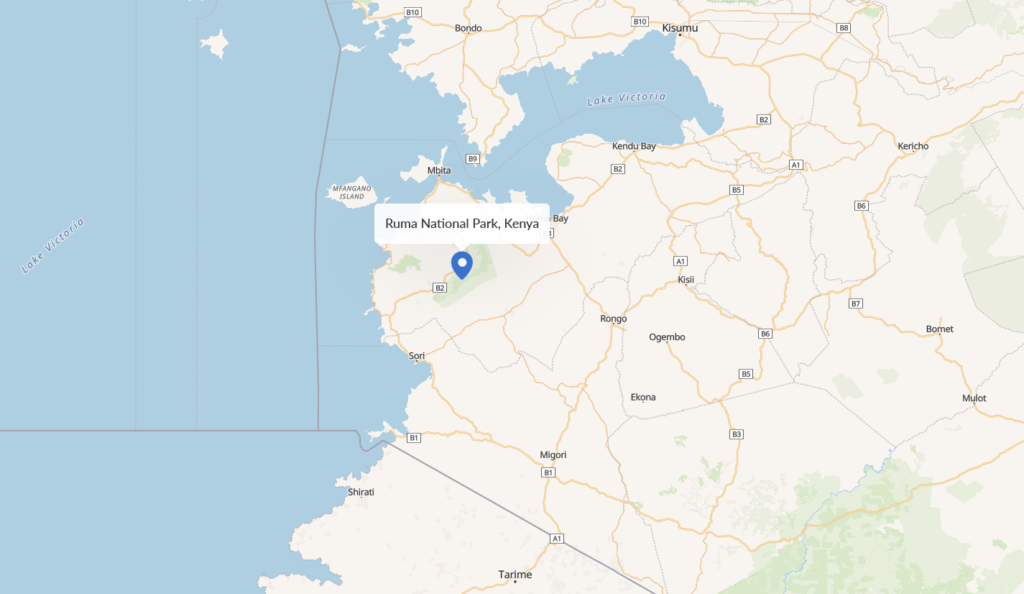
Ruma National Park is located in Homa Bay County along the Southern shores of Lake Victoria, about 30km west of Nairobi and is roughly 35km South of Kisumu city.
The western Kenyan sanctuary of wildlife and peace, as it is also known, covers about 120 square kilometres and is the only national park in western Kenya. This park is the only place in Kenya where you can find the roan antelope.
How to get there
By road, from Nairobi, it’s a 6-7 hour drive along the Nairobi –Kisumu highway, then south through Homa Bay County to the park entrance.
After Kisumu, it’s a 1 to 1.5 hour drive through rolling hills and farmland.
By air, domestic flights from Kisumu International Airport, followed by a 1-hour road trip to the park entrance.
What to expect and see
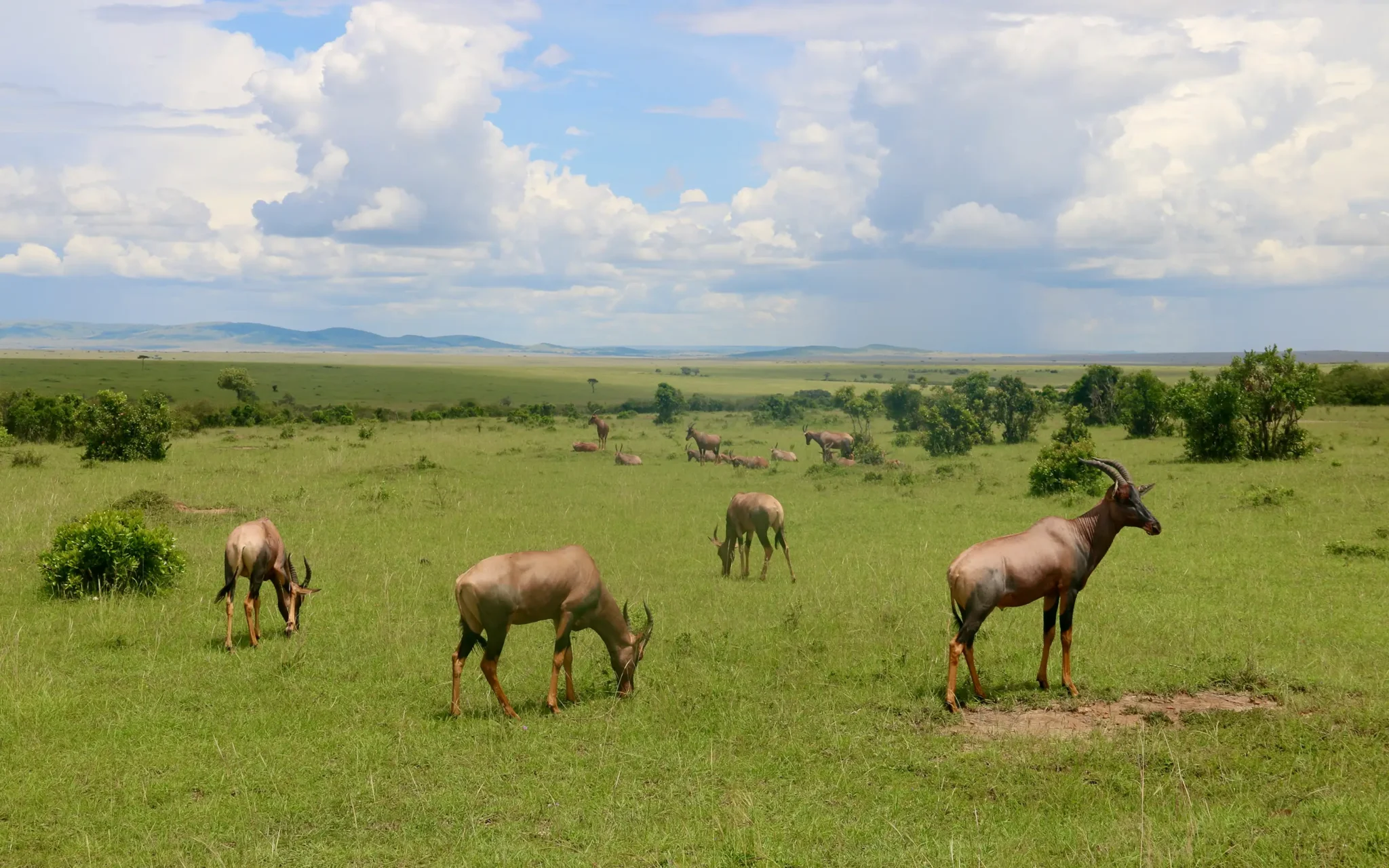
- Known for its Roan antelope, one of the rarest antelope species in Kenya, as the park also hosts zebras, giraffes, buffaloes, elands, waterbucks, hippos and lions.
- Ruma Park is also a blend of savannah, acacia woodlands and rocky hills with open plains that are perfect for wildlife spotting.
- Birdlife, especially near Lake Simbi (a small soda lake) nearby that attracts flamingoes and other water birds.
- Visitors can also enjoy views of the surrounding hills, farmland, and Lake Victoria’s distant shoreline.
- The park’s intimate size and less crowded environment allow close encounters with wildlife in a quieter, less crowded environment than Kenya’s major parks.
Activities
Explore the park’s plains and woodlands to see roan antelopes, giraffes and predators during game drives.
Bird watching as you spot species such as fish eagles, kingfishers and numerous migratory birds around lakes and wetlands.
Photography as you capture stunning wildlife moments against the backdrop of Western Kenya’s rolling hills
Nature walks, as you enjoy guided walks to observe flora, smaller wildlife and tracks a more intimate safari experience.
Scenic viewing with visits to the hill tops for breathtaking views of the park, nearby villages, and distant Lake Victoria
Interact with local communities around the park as you learn about the traditional Luo and their way of life.